
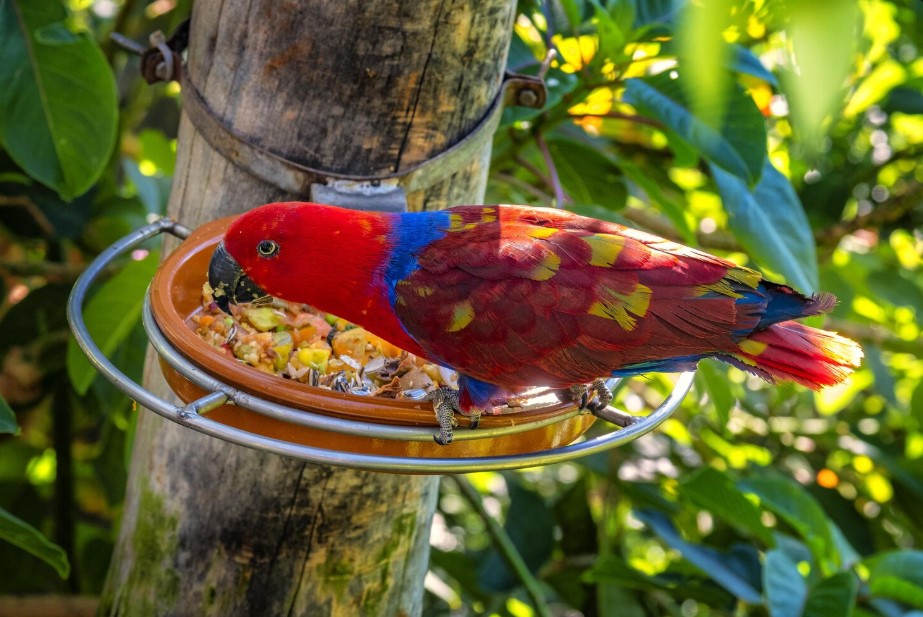
 Choosing the right diet for your feathered companion can feel like navigating a maze of options—seed mixes, pellets, fortified blends, and treats all claiming to be the best choice. If you’ve ever stood in front of a shelf wondering which product truly delivers, you’re not alone. This guide breaks down what makes premium bird food worth considering, how it differs across species like parakeets, cockatiels, and parrots, and what to look for when comparing options.
What Makes Bird Food “Premium”?
Not all bird food is created equal, and the term “premium” isn’t just clever marketing—when used correctly, it reflects real differences in ingredient quality, nutritional balance, and processing standards. Premium blends typically prioritize whole grains, real fruits and vegetables, and balanced vitamin and mineral profiles over cheap fillers or artificial additives.
Standard or budget food for birds often relies heavily on seeds, which birds tend to selectively eat, picking out the fatty, tasty bits while leaving behind essential nutrients. Premium formulas, particularly pelleted diets, are designed so every bite offers consistent nutrition, reducing the risk of selective eating and nutritional gaps over time.
Why Species-Specific Nutrition Matters
One of the biggest mistakes new bird owners make is assuming all birds can eat the same food. In reality, nutritional needs vary significantly based on size, metabolism, and natural diet in the wild.
Parakeets (Budgies)
Small and energetic, parakeets benefit from premium bird food that’s higher in fiber and lower in fat compared to larger species. Look for blends with millet, canary grass seed, and fortified pellets, along with occasional fresh greens like spinach or dandelion leaves.
Cockatiels
Cockatiels need a moderate balance of seeds, pellets, and fresh produce. Premium formulas for this species often include added calcium sources, which are especially important for female cockatiels prone to egg-laying related deficiencies.
Parrots (Larger Species)
Larger parrots like African Greys, Amazons, and macaws have more complex nutritional requirements, often needing higher fat content, more protein, and specific micronutrients like vitamin A. Premium diets for these birds frequently include nuts, larger pellet sizes, and fortified formulas designed to support their longer lifespans and higher activity levels.
How to Evaluate a Bird Food Brand
With so many companies producing bird food, choosing a reliable bird food brand requires a bit of research. Here’s what to consider:
- Transparency in Ingredients – Reputable brands clearly list every ingredient, avoiding vague terms like “animal fat” or “natural flavoring” without specifics.
- Manufacturing Standards – Look for brands that follow strict quality control, ideally with facilities that avoid cross-contamination with harmful substances.
- Species-Specific Formulations – A trustworthy bird food brand typically offers multiple formulas tailored to different species and life stages rather than one generic mix for all birds.
- Customer and Vet Reviews – Feedback from experienced bird owners and avian veterinarians can offer real-world insight into how well a brand performs over time.
- Freshness and Packaging – Premium brands often use resealable, airtight packaging to preserve nutritional value from the moment it’s manufactured to when it reaches your bird’s bowl.
Benefits of Switching to Premium Bird Food
Many owners hesitate to switch due to cost, but the benefits often justify the investment. Birds fed premium bird food tend to show improvements in:
- Feather quality – Glossier, more vibrant plumage with fewer signs of stress-related feather issues.
- Energy levels – More consistent energy throughout the day, without the sugar-crash pattern often seen with seed-heavy diets.
- Digestive health – Balanced fiber content supports healthier digestion and more regular droppings.
- Immune function – Proper vitamin and mineral intake helps birds fight off illness more effectively.
- Longevity – Over time, consistent quality nutrition contributes to a longer, healthier lifespan.
Making the Transition Smoothly
Switching your bird to a new food for birds product, especially moving from seeds to pellets, should be done gradually. Sudden changes can cause stress or refusal to eat. Mix small amounts of the new food with the old, slowly increasing the ratio over several weeks while monitoring your bird’s weight and droppings for any concerning changes.
Final Thoughts on Choosing Premium Bird Food
Investing in quality nutrition is one of the simplest ways to support your bird’s long-term health, regardless of whether you’re caring for a small parakeet or a large, long-living parrot. Take time to research a bird food brand that aligns with your bird’s specific species and life stage, read ingredient labels carefully, and don’t hesitate to consult an avian vet if you’re unsure about the best options for your particular pet.
Frequently Asked Questions
1. Is premium bird food really worth the extra cost compared to standard blends? In most cases, yes. Premium bird food typically offers better nutritional balance and quality ingredients, which can reduce long-term health issues and vet costs down the line.
2. Can I feed the same premium bird food to parakeets, cockatiels, and parrots? It’s best to choose species-specific formulas, since nutritional needs vary significantly by size and metabolism, even within premium product lines.
3. How do I choose a trustworthy bird food brand? Look for transparent ingredient lists, species-specific formulas, strong customer or vet reviews, and proper freshness-preserving packaging.
4. How long does it take to transition to a new food for birds product? Gradual transitions typically take two to three weeks, mixing increasing amounts of new food with the old to avoid stress or feeding refusal.
5. Does premium bird food eliminate the need for fresh fruits and vegetables? No, even high-quality premium diets should be supplemented with fresh produce to provide variety, hydration, and additional nutrients.